
blog
Disposable Cups: 7 Shocking Facts You Need to Know in 2025

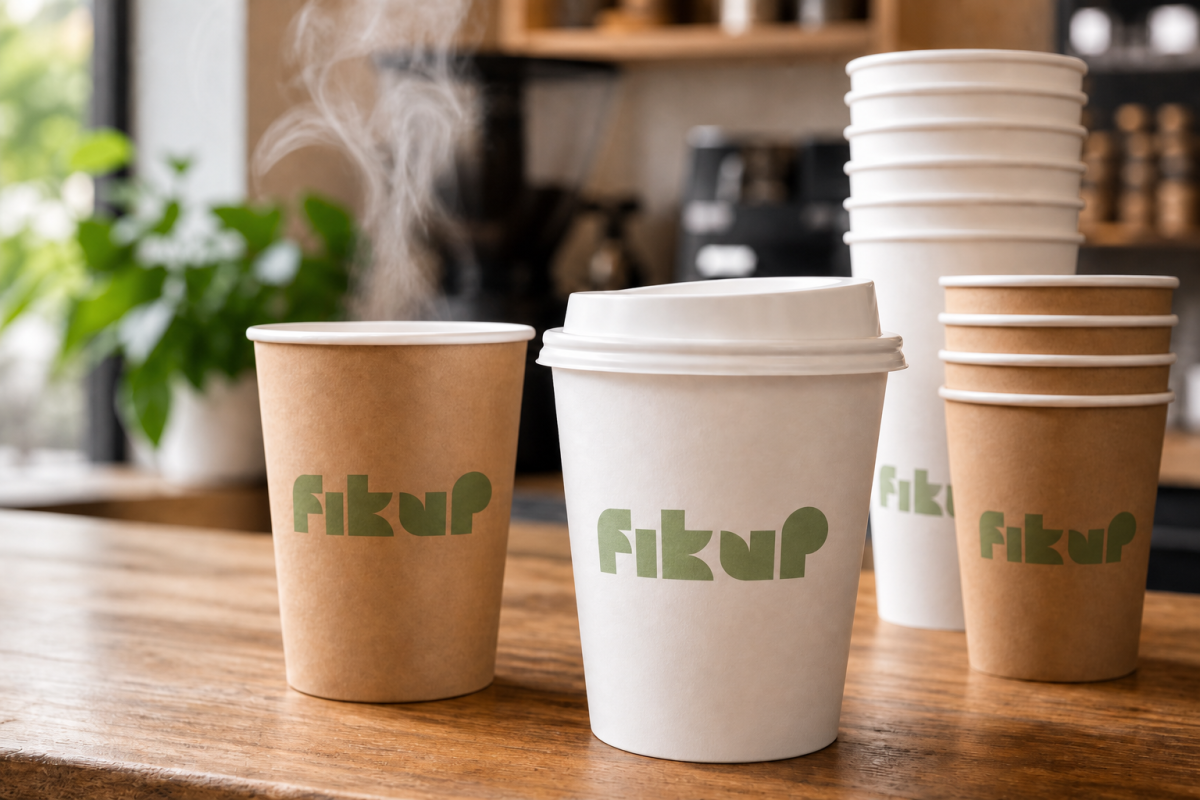
Why Do We Still Use Disposable Cups?
Disposable cups have become an inseparable part of modern life—from a morning coffee on the way to work to drinks at events and parties. But despite all the environmental warnings, why has the consumption of this product not declined, and why is its market still growing? The answer lies in a complex combination of economics, convenience, and consumer psychology.
This article dissects the world of disposable cups in 2025. We examine 7 key facts that explain why this product remains popular, what hidden costs it imposes on our health and the environment, and what future awaits this industry.
1. A Multi-Billion-Dollar Economy: What Has Made Us Dependent on Disposable Cups?
You might think the disposable cup industry is a niche market, but the numbers tell a different story. In 2025, the global market value exceeds $18 billion, and it is projected to reach nearly $30 billion by 2032 with an annual growth rate of over 7%. These figures show that we are dealing with an economic giant fueled by massive consumer and business demand.
This growth continues despite environmental pressure, proving how deeply rooted the reasons for consumption are. Businesses—especially cafés and restaurant chains—rely heavily on these products due to low upfront costs and high operational efficiency. There is no need for washing, storage, or worrying about breakage, allowing fast service at scale.
2. Convenience, Hygiene, and the “On-the-Go” Consumption Culture
Three main factors have kept demand for disposable cups strong: convenience, hygiene, and the growing culture of “on-the-go” consumption. In a world where time is a valuable commodity, these cups offer a hassle-free way to drink anytime and anywhere.
Convenience is the strongest driver. Eliminating the need for washing and easy portability has turned this product into a necessity for employees, students, and travelers.
Hygiene, especially after the COVID-19 pandemic, has become a major concern. Many people and businesses view disposable cups as a more hygienic option than reusable containers in public spaces, as they reduce the perceived risk of contamination. This perception—despite being challenged by new concerns like microplastics—remains a powerful motivator.
3. The Recycling Myth: Why 99% of Paper Cups Are Not Recycled
One of the biggest misconceptions about paper disposable cups is that they are “recyclable.” Although made of paper, these cups are lined with a thin plastic (polyethylene) layer to make them waterproof. Separating this plastic lining from the paper fibers in standard recycling facilities is extremely difficult and uneconomical.
As a result, most recycling plants classify these cups as contaminated waste and exclude them from the recycling stream. The statistics are shocking: in countries like the UK, fewer than 1 out of every 400 cups (just 0.25%) is actually recycled. This means 99.75% end up in landfills or incinerators, contributing to environmental pollution.
4. The Hidden Danger in Your Coffee: The Microplastics Threat
Beyond environmental issues, new research has revealed a direct and personal risk: microplastics. Scientific studies show that contact between hot liquids (such as coffee or tea) and the plastic lining inside disposable cups releases millions of microplastic particles into your drink.
This means that with every cup of coffee you drink from these cups, you may unknowingly ingest significant amounts of plastic. Scientific evidence links microplastic exposure to a range of health issues, including digestive disorders and cardiovascular diseases. This discovery seriously challenges the claim that these cups are “hygienic.”
5. A New Paradigm: 3 Main Alternatives to Traditional Cups
Fortunately, the disposable cup crisis has sparked a wave of innovation. There are three main paths for replacing traditional cups:
-
Reusable cups: From an environmental perspective, this is the “gold standard.” Consistently using a personal cup (made of stainless steel, glass, or ceramic) has far lower environmental impact over time. The main challenge is changing habits and remembering to carry and wash it.
-
Compostable cups: These cups use plant-based coatings (such as PLA) and can break down in industrial composting facilities. Their advantage is reliance on renewable resources, but the lack of composting infrastructure in many regions—and contamination of paper recycling streams—remains a challenge.
-
Recycling-compatible cups: A new generation of cups uses water-based coatings that dissolve easily during paper recycling, enabling real fiber recovery. This technology offers a pragmatic solution compatible with existing recycling infrastructure.
6. Global Regulations: How Governments Are Shaping the Future of Disposable Cups
Governments worldwide are addressing this crisis through bans, taxes, and Extended Producer Responsibility (EPR) regulations. For example, the European Union and countries like Sweden require businesses to offer reusable options and have banned certain plastics.
EPR laws force companies to pay for the collection and recycling of the products they produce, creating strong economic incentives to design products that are easier and cheaper to recycle.
7. Conclusion: Making a Smarter Choice in the World of Disposable Cups
The world of disposable cups in 2025 stands at a turning point. The conflict between short-term convenience and long-term environmental and health costs has reached its peak. Awareness of the recycling myth and the dangers of microplastics has shifted the equation.
As consumers, the most effective step is consistent use of a reusable cup. If you must use a disposable cup , choose options that align with your local recycling infrastructure. The future of this industry depends on informed consumer choices and smart public policy.
-
Global Disposable Cup Market Analysis (grandviewresearch.com): A report from a reputable market research firm providing detailed statistics on market size, growth, and economic trends.
-
UK Parliament Report (publications.parliament.uk): An in-depth analysis of the technical and infrastructural challenges of recycling paper cups and policies such as the “latte levy.”
-
Life Cycle Analysis of Reusable Cups (news.climate.columbia.edu): A Columbia University article showing that after several uses, reusable cups outperform disposable options environmentally.